
Olimex ESP8266 module – MOD-WIFI-ESP8266-DEV
Finding the Right Development Board
When developing IoT applications with the ESP8266, two key requirements immediately become apparent: you need sufficient flash memory for your application and firmware, and you need a board that fits comfortably on a breadboard for prototyping and testing.
I faced this challenge and needed to evaluate my options. Soldering additional flash chips onto bare ESP8266 modules wasn’t practical, so I researched alternative boards:
- NodeMCU boards – These feature larger flash and breadboard compatibility, but come with integrated regulators and USB-to-serial converters that add complexity and bulk.
- ESP-XX modules with adapters – While available, these adapters tend to be awkward and add unnecessary overhead for development work.
- Olimex MOD-WIFI-ESP8266-DEV – A purpose-built development module with excellent specifications and clean design.
The winner: Olimex’s MOD-WIFI-ESP8266-DEV
Unboxing and First Impressions
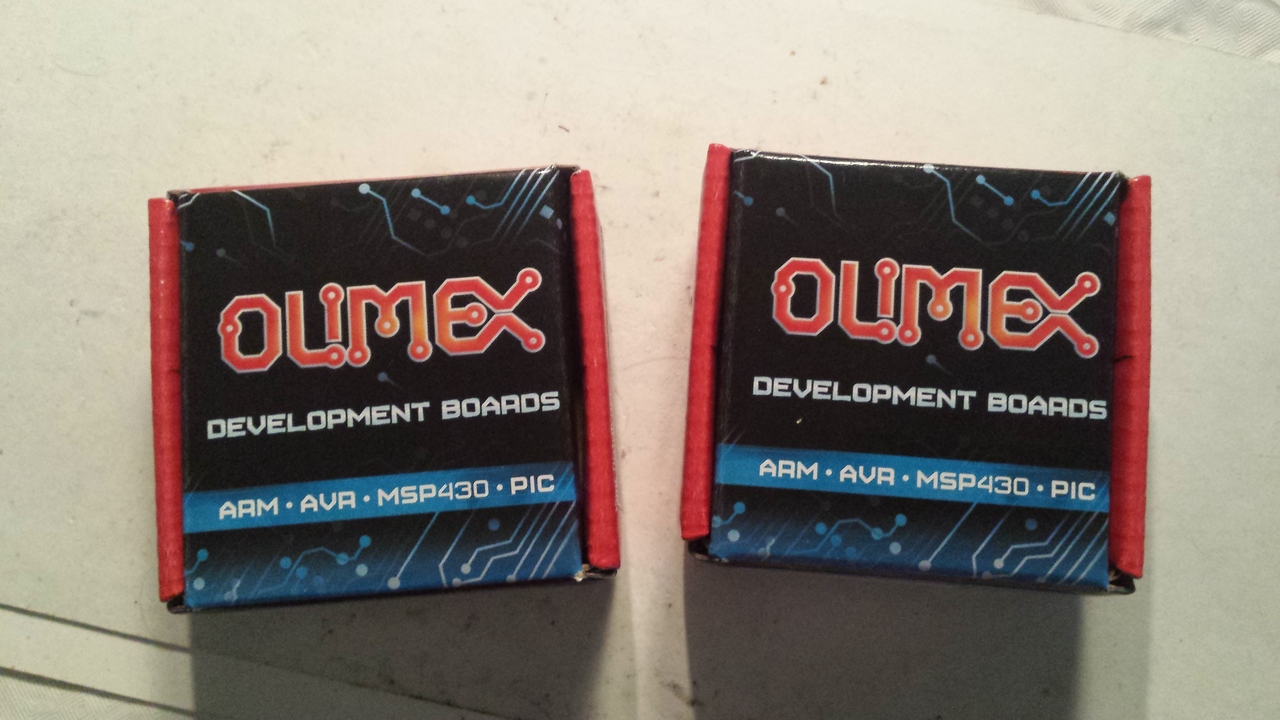
I ordered several of these modules, and they arrived well-packaged:
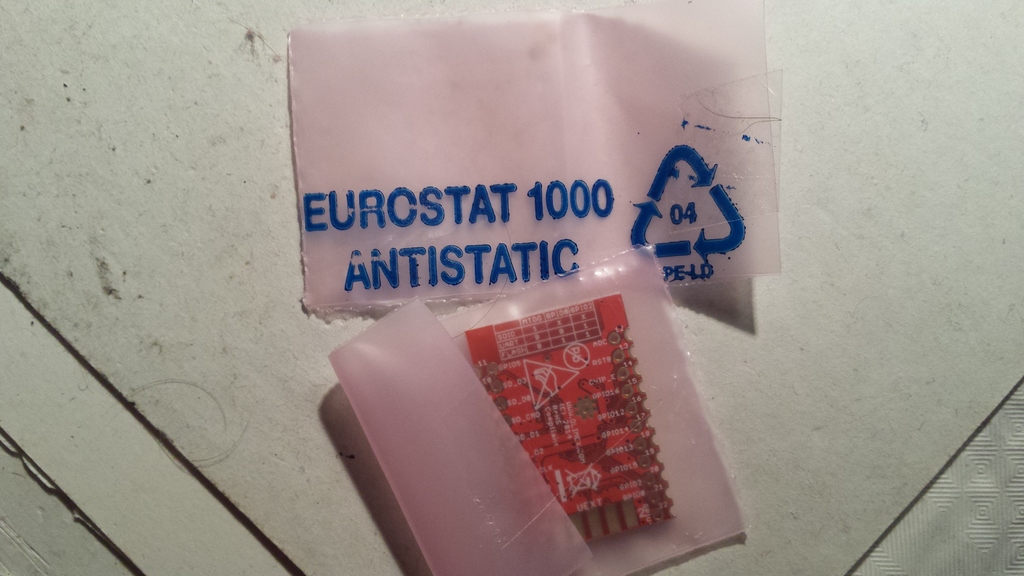
The modules came carefully packaged in proper antistatic bags – a nice touch that shows attention to component protection:
Assembly and Layout Considerations
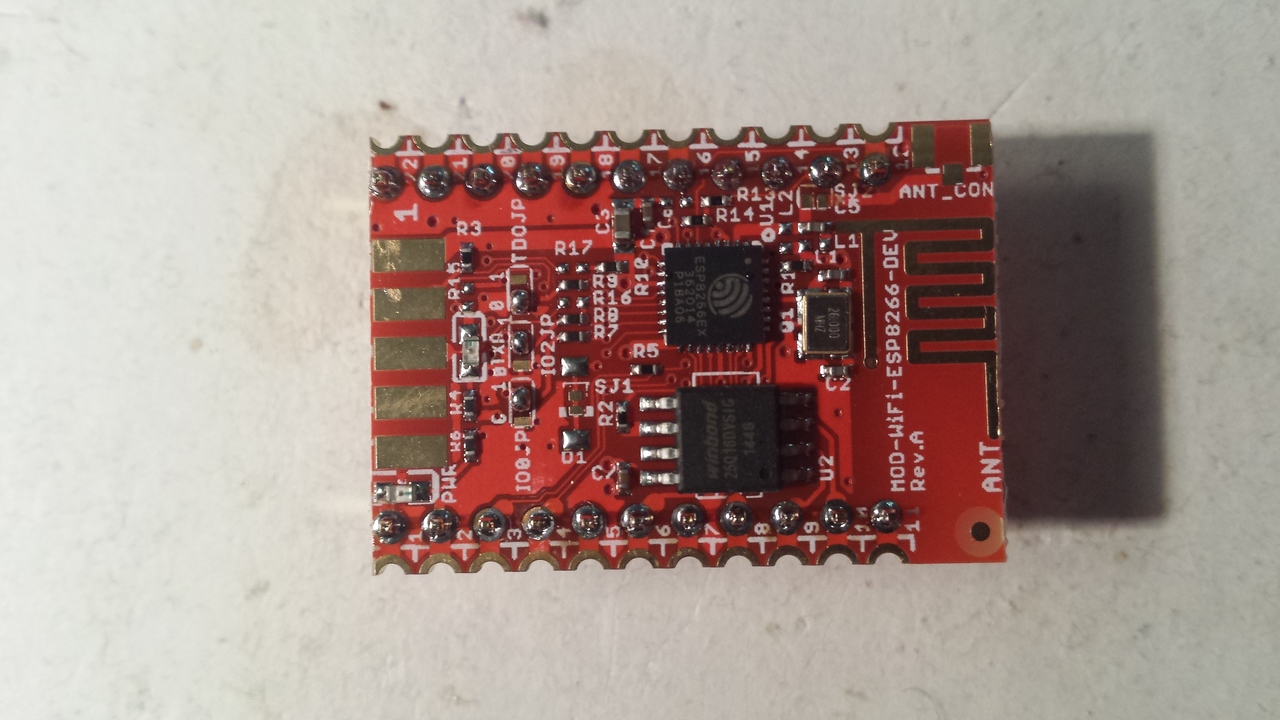
After soldering the pin headers onto the modules, I installed them with the chip facing upward – this seemed like the natural orientation. However, I noticed an important trade-off: the GPIO silkscreen markings ended up on the bottom of the module, hidden from view during development.
In hindsight, I would prefer the markings on top for easier reference during prototyping. The text would be partially obscured, but the convenience would be worth it.

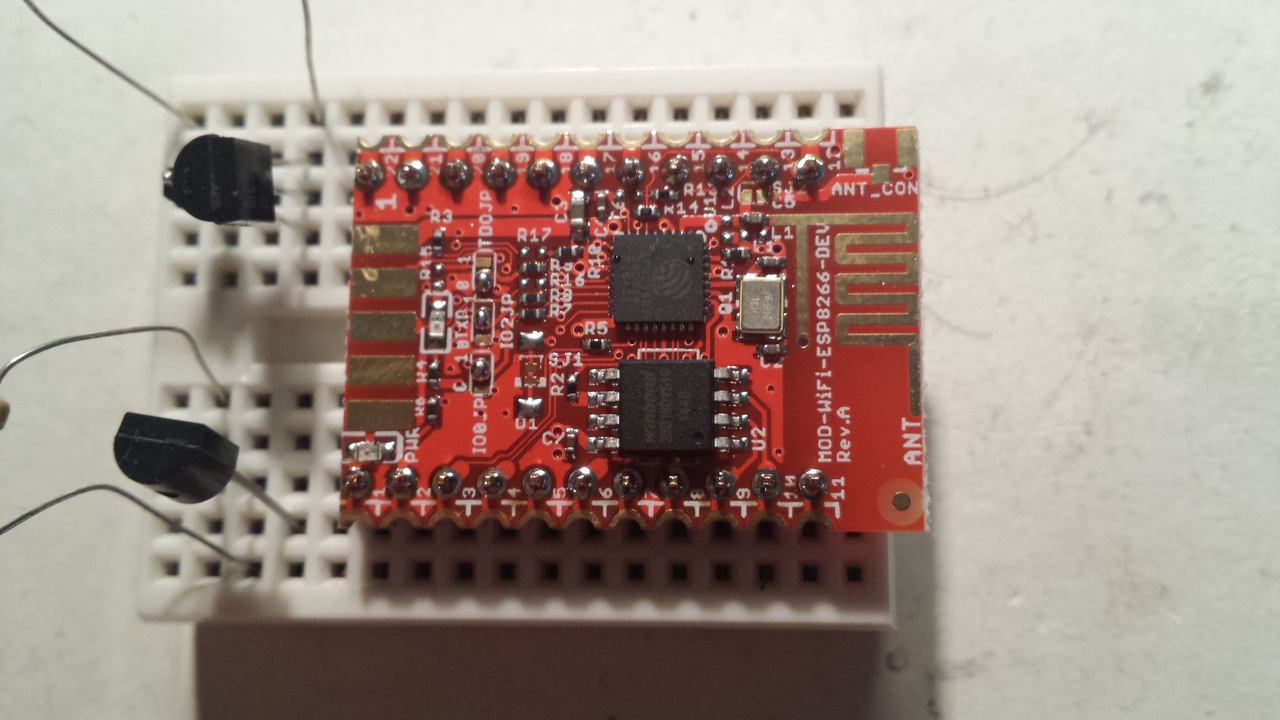
The module fits nicely on a standard breadboard, leaving two rows on each side for additional components and connections:
Leveraging the Extra Flash: Security and Updates
Now, what can we do with the extra flash capacity that this module provides compared to minimal ESP8266 setups?
SSL and Encryption
SSL (Secure Sockets Layer) certificates and encrypted communication are essential for any IoT device that transmits data over networks. But is SSL alone sufficient for IoT applications? The question deserves careful consideration.
Firmware Updates (FOTA)
FOTA (Firmware Over-The-Air) updates allow you to deploy new firmware to devices in the field without physical access. However, FOTA introduces its own security challenges: how do you verify that an update is legitimate? How do you prevent downgrade attacks or malicious firmware installation?
The Real Challenge: Security Architecture
After exploring these questions, one truth becomes clear: the most critical and most challenging aspect of any IoT implementation is getting the security right. It’s not just a feature – it’s foundational to everything else.
The extra flash memory available on this module presents a valuable opportunity to implement robust security solutions. You can allocate space for SSL certificates, cryptographic keys, secure boot mechanisms, and firmware signatures. For the service we’re building, this flexibility is essential – security isn’t an afterthought, it’s a requirement from the start.
This module provides the breathing room needed to implement security properly, without compromise.